
Written by the author and journalist Amandine Jonniaux – Photography by Lucas Laurent – Set design by Agathe Reille Soult for lateral
For a long time, sextoys were relegated to the realm of pornographic objects, limited to realistic shapes and hidden behind the heavy velvet curtains of dusty sex shops. Today, they aspire to become mainstream accessories, serving beauty as much as pleasure.

Gone are the flesh-colored penises and hyper-realistic shapes. In 2024, the adult toy industry embraces its artificiality, offering objects where design enhances both aesthetic appeal and the pursuit of pleasure. This trend accelerated in the early 2000s but actually began decades earlier. As early as the 1970s, American professor Edward Kelly was already reflecting on the new image of the « naughty dildo »* while Hitachi’s Magic Wand vibrators challenged the effectiveness of penetration, favoring external clitoral stimulation.
* Edward Kelly. A New Image for the Naughty Dildo? The Journal of Popular Culture #07 (1974).
At the dawn of the 21st century, the dildo’s image makeover was grounded in a physiological reality: only 28% of vulva owners regularly achieve orgasm through vaginal* penetration alone. In this context of a new sexual revolution, the brand Fun Factory emerged in 1996. In contrast to the industry’s traditionally serious approach to autoeroticism, the German manufacturer took inspiration from the famous Play-Doh modeling clay to create vibrators in playful, candy-colored designs. Masturbation became adult play and the term « sextoy » never felt more appropriate.
*François Kraus. French Women and Orgasm. IFOP study for CAM4 (2014).
Out of the sex shops
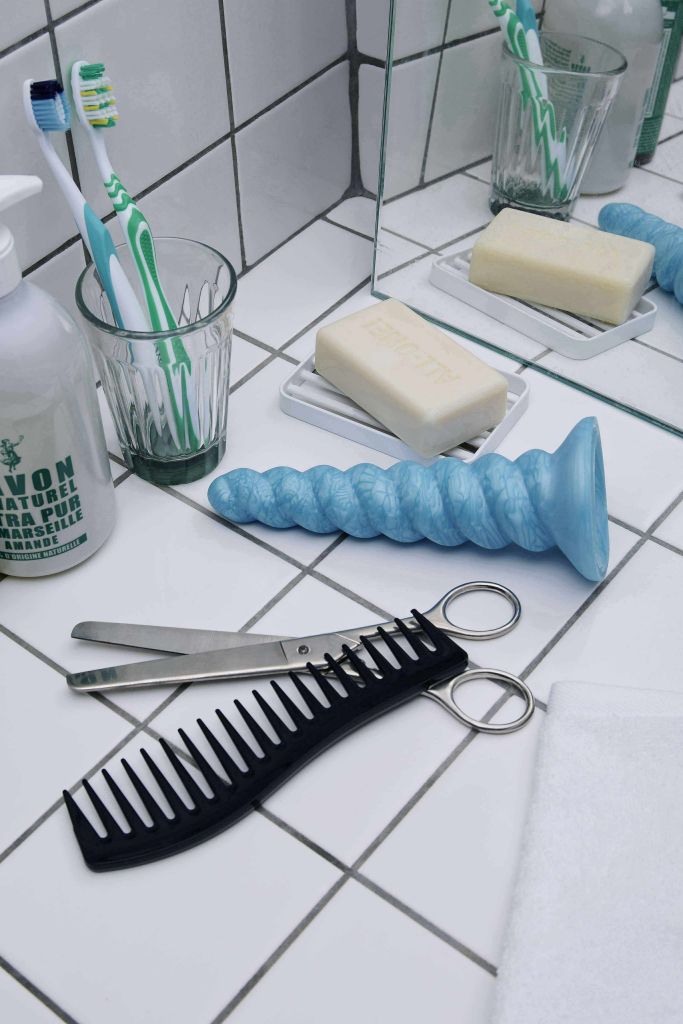
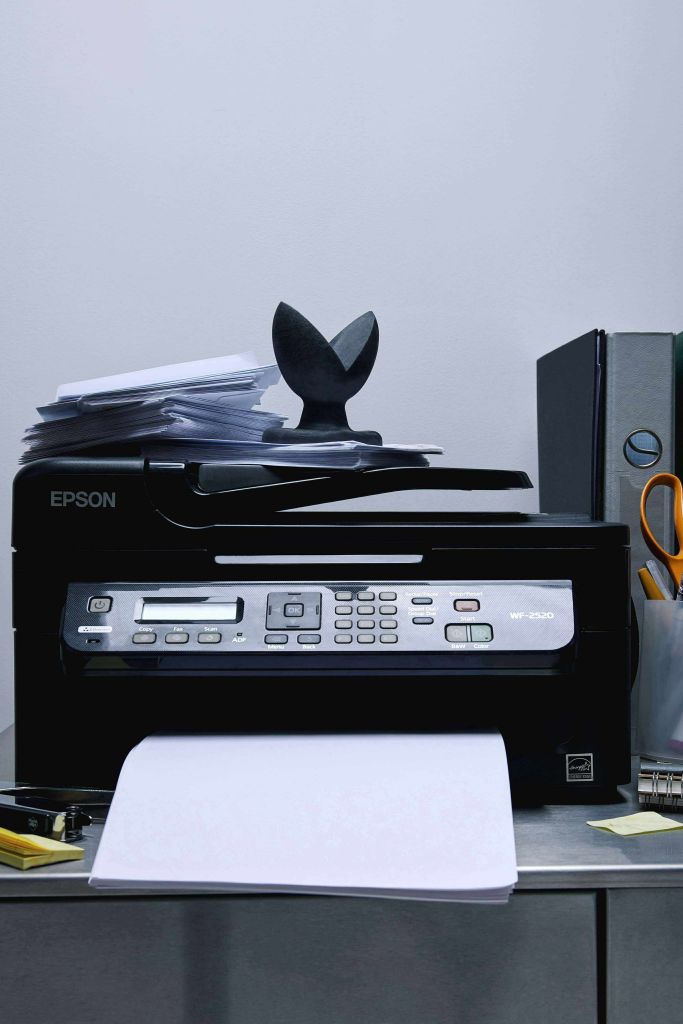
By embracing abstract shapes and pastel colors, sextoys have not only changed in design they’ve also expanded their audience. Proudly displayed in the windows of love shops, on subway ads, and even in popular music videos, the new aesthetic of adult toys allows them to exist in spaces they were once excluded from.

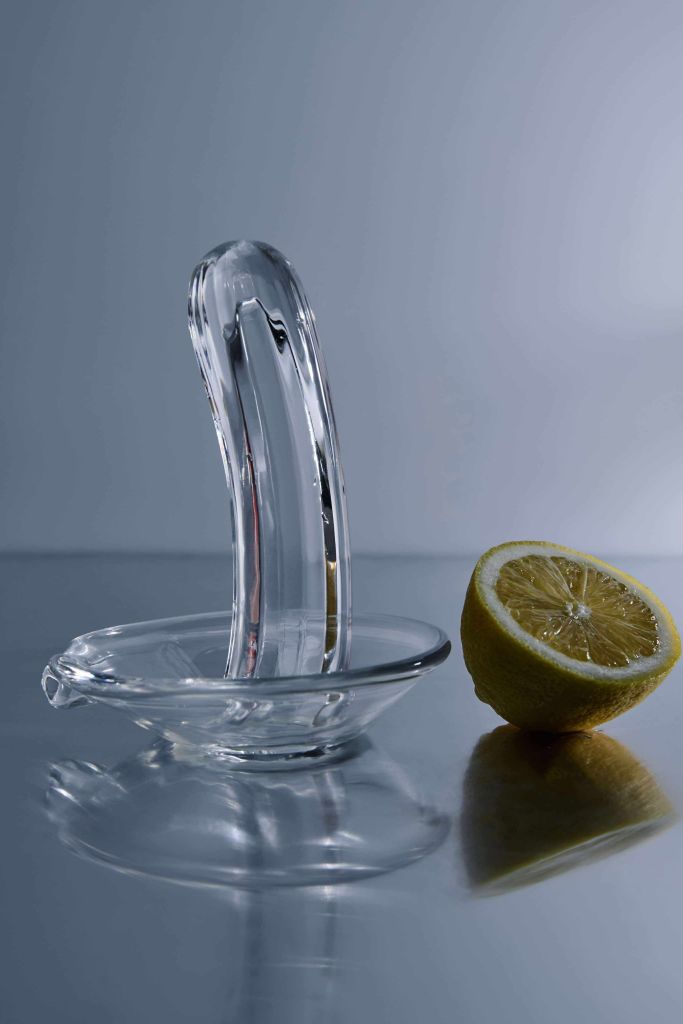
In 2008, Fun Factory’s DeLight vibrator became the first of its kind to win a Red Dot Design Award. Six years earlier, in 2002, designer Sonia Rykiel had already elevated the vibrating duck to fashion icon status with a haute couture version. From unicorns to bedside lamps to citrus juicers, the democratization of vibrators – and later, the launch of the Womanizer in 2014 – marked the start of a frantic race for originality. Freed from their « affordance, » sextoys escaped their pornographic straitjacket, and penetration was knocked off the pedestal where patriarchy had long placed it. Any shape could now lead to orgasm, and designers seized the opportunity to establish a new « subversive-chic » standard.
Designing for pleasure
In adopting new shapes, modern sextoys also began questioning how well they adapt to the human body. In 2020, the Snail Vibe by Spiritus & Co was one of the first to tackle the issue directly by replacing the traditional rabbit shape with that of a snail. While striking, the choice wasn’t just aesthetic: the toy’s coiled design allows users to adjust internal stimulation depth while maintaining consistent contact with the clitoral glans. Its ergonomic and inclusive design, adaptable to different body types, earned the Snail Vibe a nomination at the Xbiz Europa Awards in the « Innovative Sextoy » category.
Hide that rabbit I cannot see
The aesthetic of sextoys hasn’t always been driven by a pursuit of pleasure. In 1983, when Vibratex released its first rabbit vibrator, the company faced Japanese censorship laws banning explicit depictions of genitalia. The goddess Kannon, already embedded in Japan’s erotic folklore, became the symbolic face of the country’s modern vibrators. With its playful design and innovative dual stimulation, the Rabbit Pearl quickly carved out its own category of sextoys, and the shape was soon adopted by countless competitors.
Though lagging behind clitoral stimulators, penis-oriented sextoys are also starting – slowly but surely – to rethink their design standards. Overtly explicit forms are giving way to high-tech aesthetics inspired by cars, video games, and robotics. While toys marketed to “female” audiences often favor abstract and playful designs to normalize their use, those aimed at people with penises tend to feature chrome finishes, LED lighting drawn from eSports culture, and the look of powerful engines like the F1S masturbator by Lelo, which in 2019 blazed a trail in an emerging market.
Beyond the binary view of sexuality, more and more brands are embracing hybrid models, designed for all genders. Couple’s toys are gaining traction, and some manufacturers are cautiously opening the market to LGBTQIA+ communities, breaking down the persistent penetrator/penetrated dichotomy.
Crafted for pleasure
The sex toy market has nearly doubled since the Covid era, and more than half of French people now own at least one vibrator in their bedside drawer*. With increased competition, pleasure objects can no longer afford to be merely functional they must also be beautiful. While some sextech giants transform their toys into social status symbols – combining minimalist design with patented tech at premium prices – others embrace a return to craftsmanship.
*Visio, boulot, vibro… Sextoys et bien-être sexuel à l’heure du Covid-19. Étude IFOP pour Passage du désir (2020).
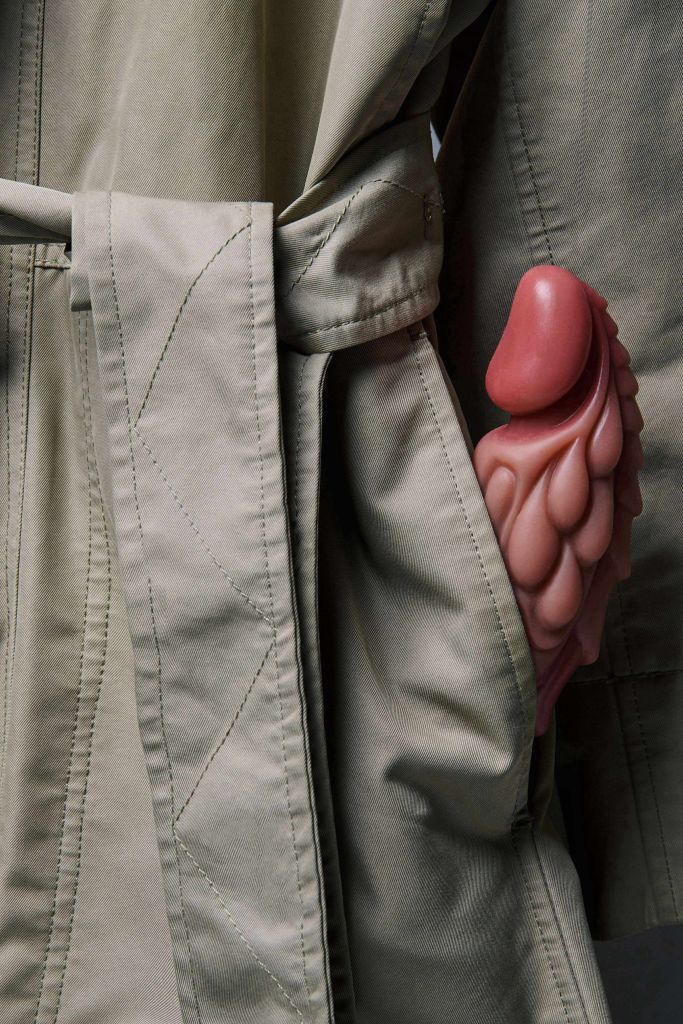
This handcrafted dimension also allows emerging designers to explore forms and ideas the industry’s major players might never dare or even imagine. Fiction has so deeply shaped our collective imagination that erotic toys follow suit: a simple broom can evoke moonlit rituals, while a tentacle instantly plunges us into a Lovecraftian abyss. These fantastical realms are begging to be explored – whether through sextoys modeled after legendary kaiju monsters from 1960s Japanese cinema, or like Fera Daemon, whose creations are infused with influences from Tolkien, Ghibli, or Claude Monet.
Beauty in the service of pleasure and of deceleration: Could this be the future of pleasure?
Models Mentioned
- Magic Wand by Hitachi (1968)
- DeLight by Fun Factory (2008)
- Vibrating Duck by Sonia Rykiel (2002)
- Snail Vibe by Spiritus & Co (2020)
- Rabbit Pearl by Vibratex (1983)
- F1S by Lelo (2019)

 lateral